Your Trusted 24 Hours Service Provider!


-
 Call Us+86-158-0331-9351
 -
 Emailcarrie@sinopulse.cn
 -
 AddressHandan City, Hebei , China
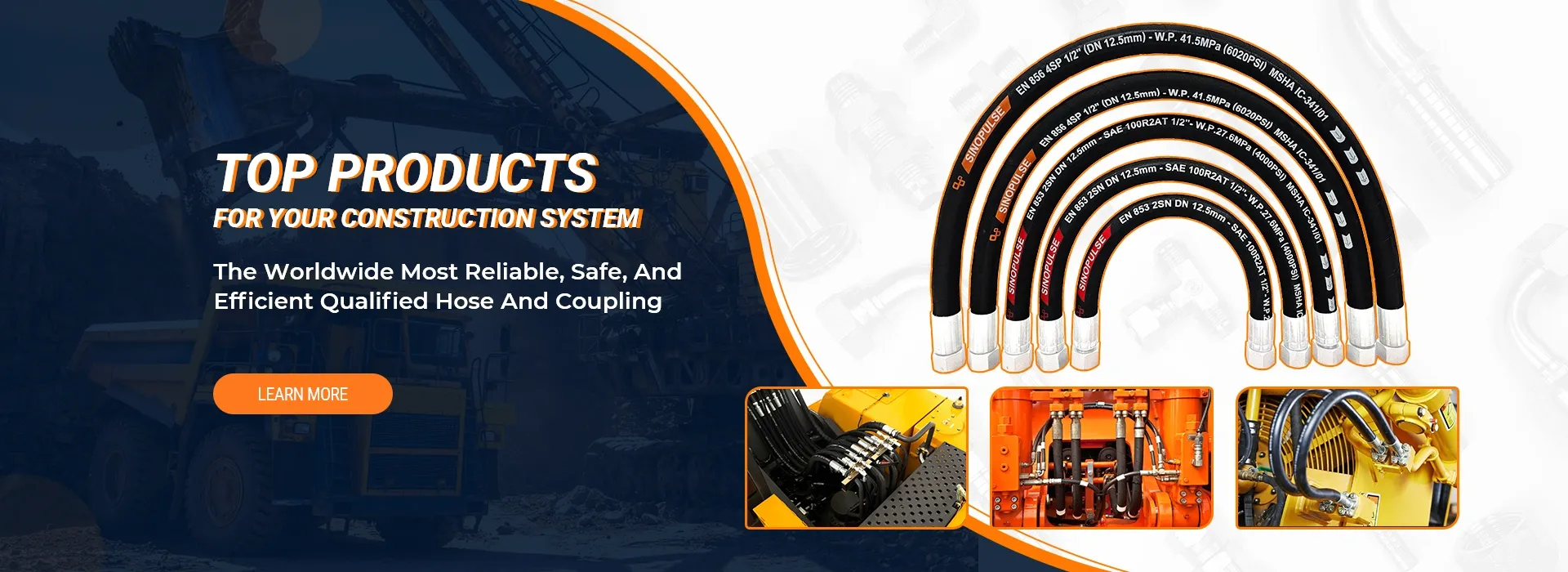
high pressure power steering rubber hose
Hydraulic Brake Hose serves as the critical flexible conduit in automotive braking systems, transmitting hydraulic pressure from the master cylinder to the brake calipers or wheel cylinders. These specialized hoses are engineered to withstand high pressure fluctuations during braking cycles while maintaining flexibility to accommodate suspension movement. Unlike rigid tubing, Hydraulic Brake Hose can bend and flex without compromising pressure integrity, making them essential for connecting fixed brake components to moving wheel assemblies. Constructed with multiple layers—typically an inner rubber tube, reinforcement braids, and an outer protective cover—Hydraulic Brake Hose resists abrasion, corrosion, and heat from brake components, ensuring reliable performance in diverse operating conditions. Hydraulic Brake Pipe, often used in conjunction with flexible hoses, forms the rigid sections of the brake hydraulic system These metal pipes, usually made from steel or copper-coated steel, handle pressure transmission between the master cylinder and the points where flexibility is required, such as near wheel wells. Hydraulic Brake Pipe provides structural stability in fixed system sections, minimizing expansion under pressure to maintain consistent brake feel. They are typically connected to Hydraulic Brake Hose via adapter fittings, creating a hybrid system that combines the rigidity of metal tubing with the flexibility of reinforced hoses. Proper routing of Hydraulic Brake Pipe is crucial to avoid contact with moving parts or areas prone to excessive heat, which could degrade adjacent components. High Pressure Brake Hose is specifically designed to handle the extreme pressure demands of modern braking systems, often exceeding 1,000 psi during heavy braking These hoses feature enhanced reinforcement layers, usually high-tensile steel braids, that prevent expansion and bursting under peak pressure conditions. High Pressure Brake Hose undergoes rigorous manufacturing processes to ensure uniform wall thickness and consistent braid coverage, critical factors in maintaining pressure stability. They are distinguishable from standard hydraulic hoses by their higher pressure ratings and specialized elastomer compounds that resist brake fluid degradation over time. In performance vehicles and heavy-duty applications, High Pressure Brake Hose is essential for maintaining brake responsiveness under extreme conditions. High Pressure Brake Lines encompass the entire network of conduits, including both rigid pipes and flexible hoses, that carry pressurized brake fluid through the system These lines must form a continuous, leak-free pathway from the master cylinder to each wheel brake assembly. High Pressure Brake Lines are sized according to the volume and pressure requirements of the specific vehicle application, with larger diameters used in systems requiring higher fluid flow rates. The routing of High Pressure Brake Lines is carefully engineered to avoid sharp bends that could restrict flow and to protect against damage from road debris or component movement. Properly maintained High Pressure Brake Lines ensure that brake pressure is distributed evenly to all wheels, contributing to balanced braking performance. Common types of hydraulic brake hose joints include flare fittings, compression fittings, and push-to-connect fittings Flare fittings, available in single, double, and bubble flare configurations, create a metal-to-metal seal by compressing a flared hose end against a mating fitting. Compression fittings use a ferrule that tightens around the hose when the nut is secured, forming a reliable seal without requiring special tooling for flaring. Push-to-connect fittings allow for quick assembly by inserting the prepared hose end into the fitting until it locks into place, often featuring a release mechanism for disassembly. Each joint type has specific applications, with flare fittings preferred for high-pressure brake systems due to their superior sealing capabilities under pressure. A complete hydraulic brake hose assembly consists of three primary components: the inner core, reinforcement layer, and outer cover The inner core, typically made from nitrile rubber, provides compatibility with brake fluids while maintaining flexibility. The reinforcement layer, usually high-strength steel or synthetic fiber braids, gives the hose its pressure-handling capability by preventing expansion under load. The outer cover, made from abrasion-resistant rubber or polymer, protects the inner layers from environmental damage, including road debris, oil, and UV radiation. Some assemblies also include end fittings permanently attached to the hose ends, pre-assembled to ensure proper sealing and pressure retention. Selecting the right hydraulic brake hose involves considering several key factors, starting with the vehicle's pressure requirements and operating environment The hose must match or exceed the system's maximum operating pressure, with High Pressure Brake Hose required for performance or heavy-duty applications. Compatibility with brake fluid type is essential, as some elastomers may degrade when exposed to synthetic or silicone-based fluids. Hose flexibility should be appropriate for the installation location, ensuring movement without kinking or excessive stress. Additionally, the outer cover material should suit the operating conditions, with extra abrasion resistance needed for hoses routed near suspension components or wheel wells. Always refer to application specifications to ensure proper length, diameter, and fitting compatibility. In summary, hydraulic brake systems rely on the coordinated performance of Hydraulic Brake Hose, Hydraulic Brake Pipe, High Pressure Brake Hose, and High Pressure Brake Lines to deliver safe and reliable stopping power. Understanding the different joint types—flare, compression, and push-to-connect—helps in proper assembly and maintenance. A complete hose assembly integrates inner core, reinforcement, and outer cover to balance flexibility, pressure resistance, and durability. Selecting the appropriate components involves matching pressure ratings, fluid compatibility, and environmental resistance to application requirements. By prioritizing these factors, you ensure that the brake hydraulic system operates efficiently, providing consistent performance under all driving conditions. H ydraulic B rake H ose FAQs 1. What are the different types of hydraulic brake hose fittings available? Hydraulic brake hose fittings come in various styles, including JIC (37° flare), ORFS (O-ring face seal), NPT (tapered thread), BSP (British standard pipe), and DIN metric fittings. Each type has specific sealing mechanisms and pressure ratings, designed for different applications in automotive, industrial, and heavy machinery systems. Proper selection depends on compatibility with the hydraulic system’s ports and required pressure resistance. 2. How many components make up a complete hydraulic brake hose assembly? A standard hydraulic brake hose assembly consists of three main parts: the inner tube (typically made of synthetic rubber or thermoplastic for fluid resistance), the reinforcement layer (braided or spiral-wound steel wire for strength), and the outer cover (weather-resistant rubber or thermoplastic to protect against abrasion and environmental damage). Additionally, crimped or reusable fittings are attached at both ends to ensure a secure connection. 3. What factors should be considered when selecting a hydraulic brake hose for an application? Key considerations include operating pressure (must exceed system requirements), temperature range (ensuring compatibility with fluid and environment), fluid compatibility (resistance to oil, brake fluid, or chemicals), bend radius (to avoid kinking), and length (to prevent stress on connections). The hose must also meet relevant industry standards like SAE, ISO, or DOT specifications. 4. Why is proper routing and installation crucial for hydraulic brake hose performance? Incorrect routing can lead to abrasion, kinking, or excessive tension, causing premature failure. The hydraulic brake hose should be installed with smooth curves, avoiding sharp bends or contact with moving parts. Proper support clamps and protective sleeves may be necessary in high-vibration or high-heat environments to maintain durability and prevent leaks. 5. How often should hydraulic brake hoses be inspected and replaced? Regular visual inspections should check for cracks, bulges, leaks, or abrasions on the outer cover. Most manufacturers recommend replacing hydraulic brake hoses every 4–6 years, even if no visible damage is present, due to internal degradation. In high-stress applications like racing or heavy equipment, more frequent replacement may be necessary to ensure safety and reliability.
WHAT WE DO
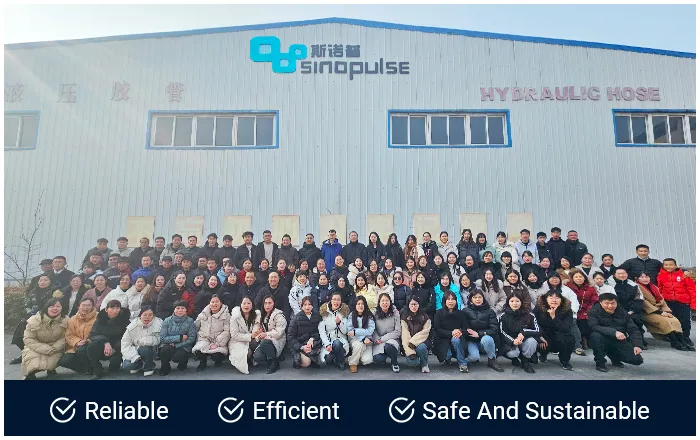
At Sinopulse, we are dedicated to enhancing industrial performance through innovative technology and exceptional customer service. Founded in 2011, Sinopulse began as a small startup with a big dream. Over the past decade, we have grown into a leading industrial hose, hydraulic hose & fittings manufacturer boasting a 45,000 m² workshop, 86 production lines, and a dedicated team of over 200 employees. Our commitment to quality and efficiency enables us to produce an impressive 100,000 meters of hose daily, offering the worldwide most reliable, safe, and most efficient qualified hose and coupling.


×
-
 45,000 m²Factory Area
 -
 86 +Production Line
 -
 200 +Employee
 -
 400,000 +Capacity
WHY CHOOSE US
-
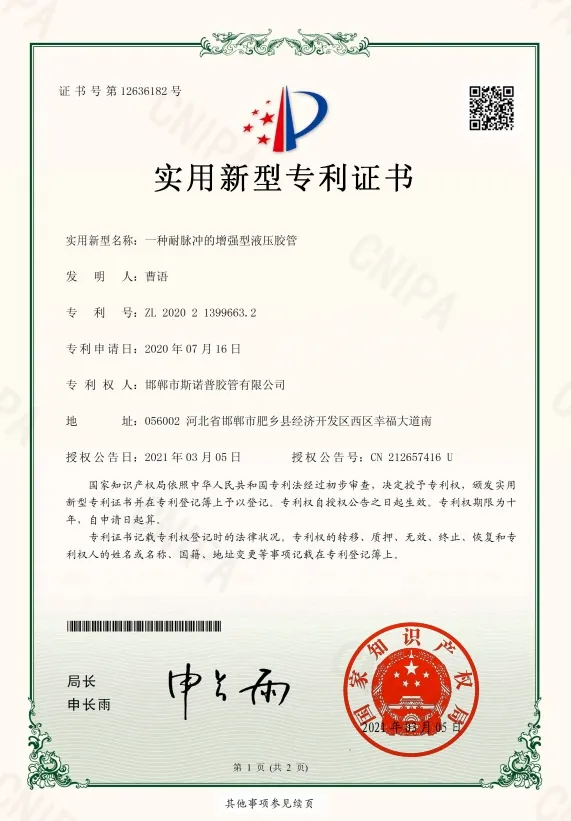
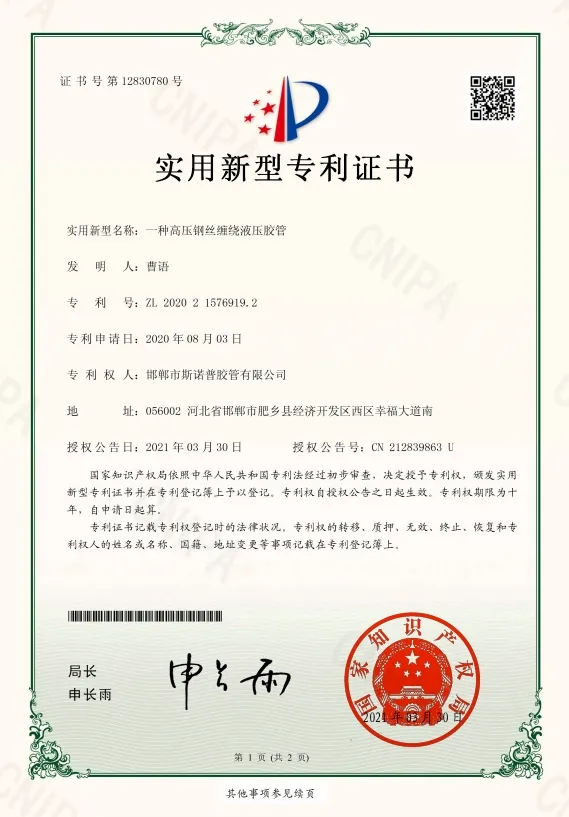
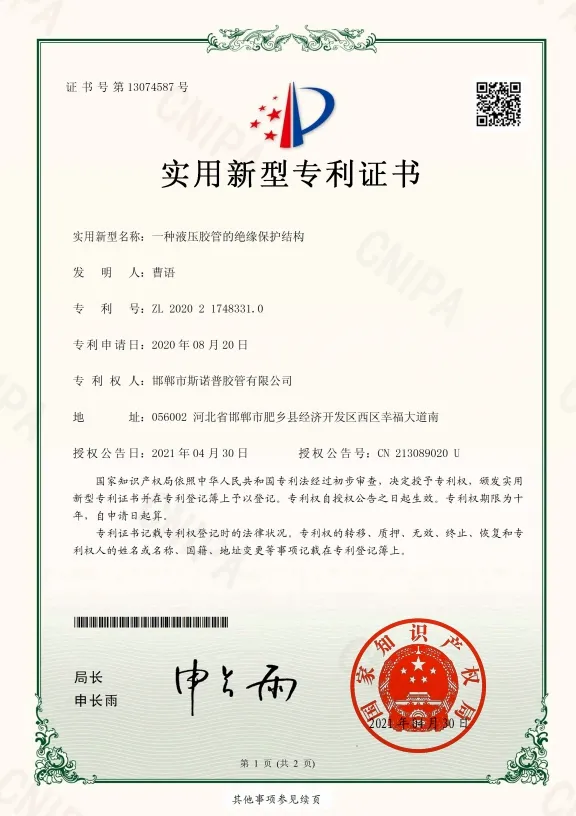
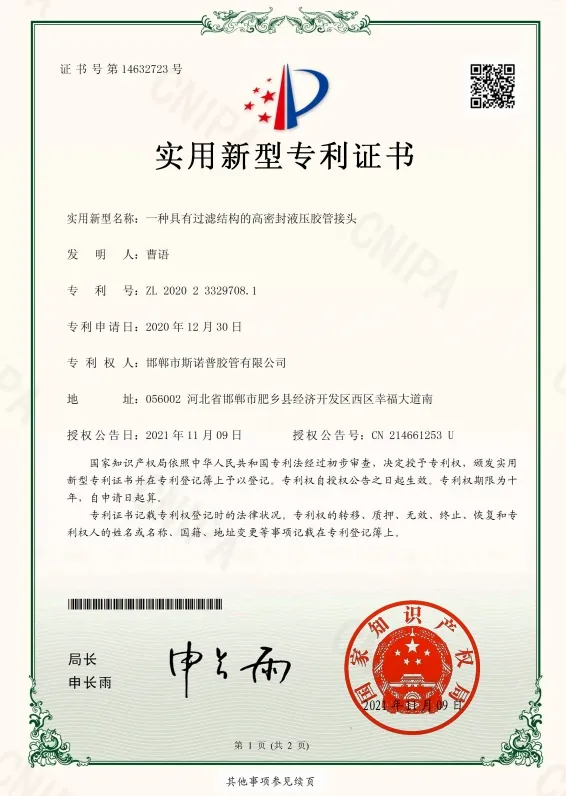
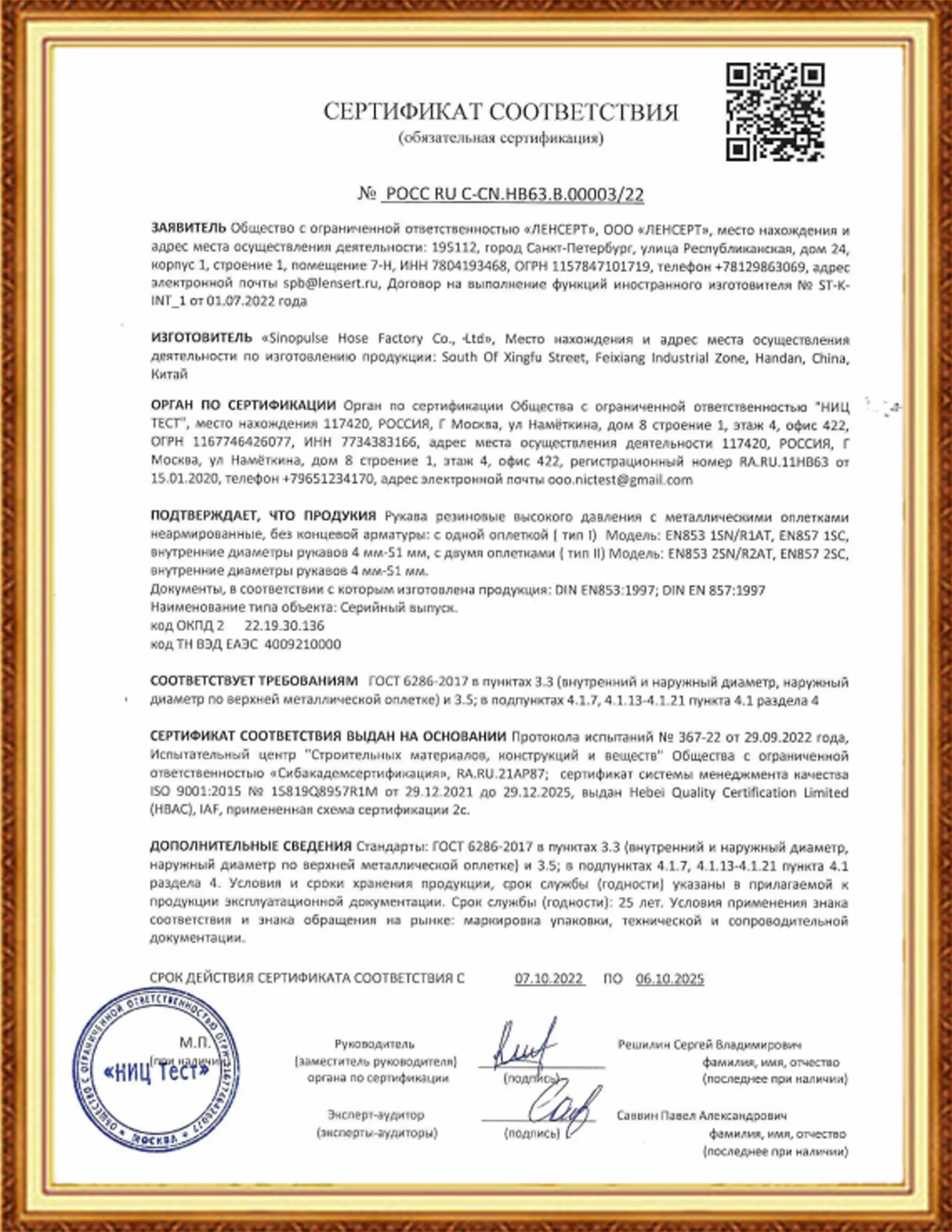
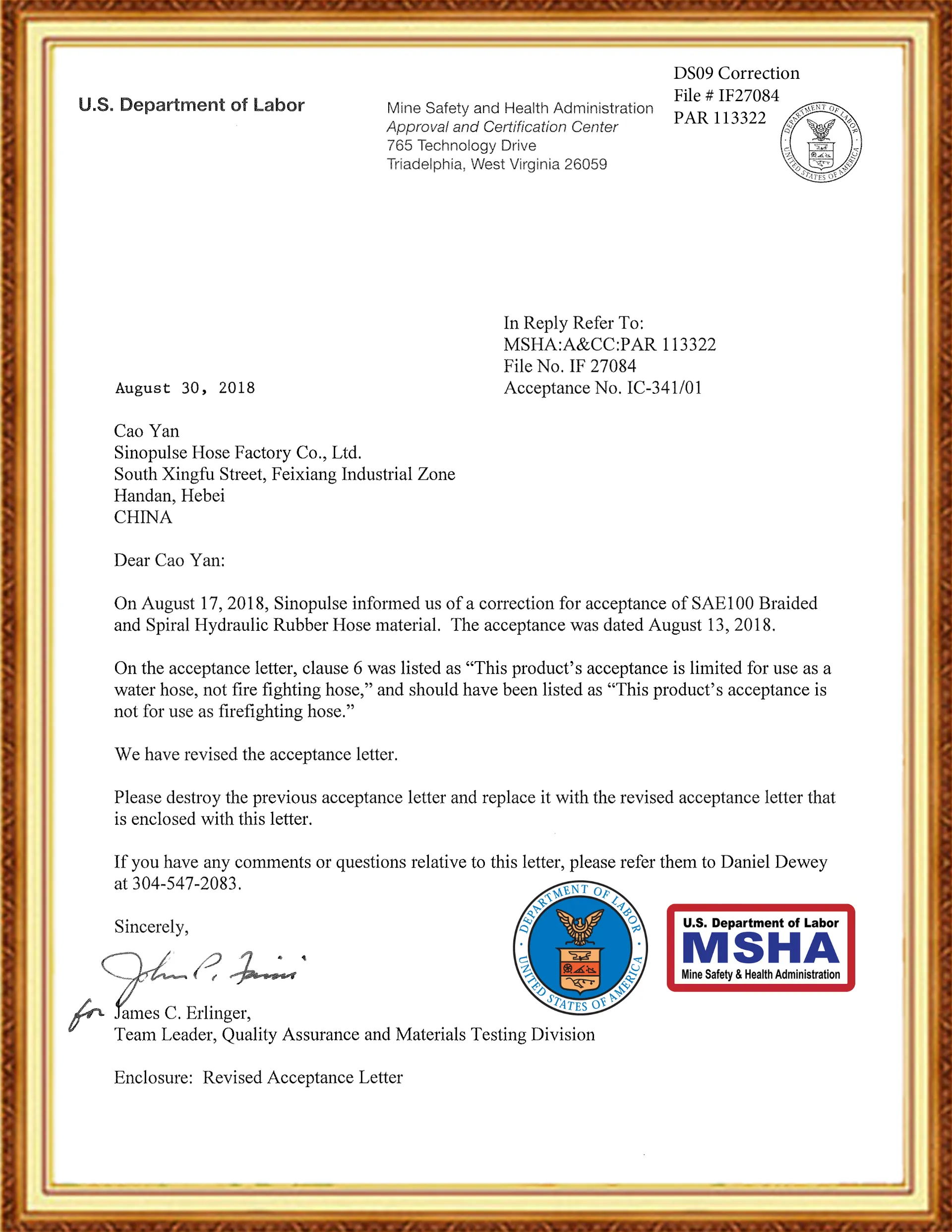
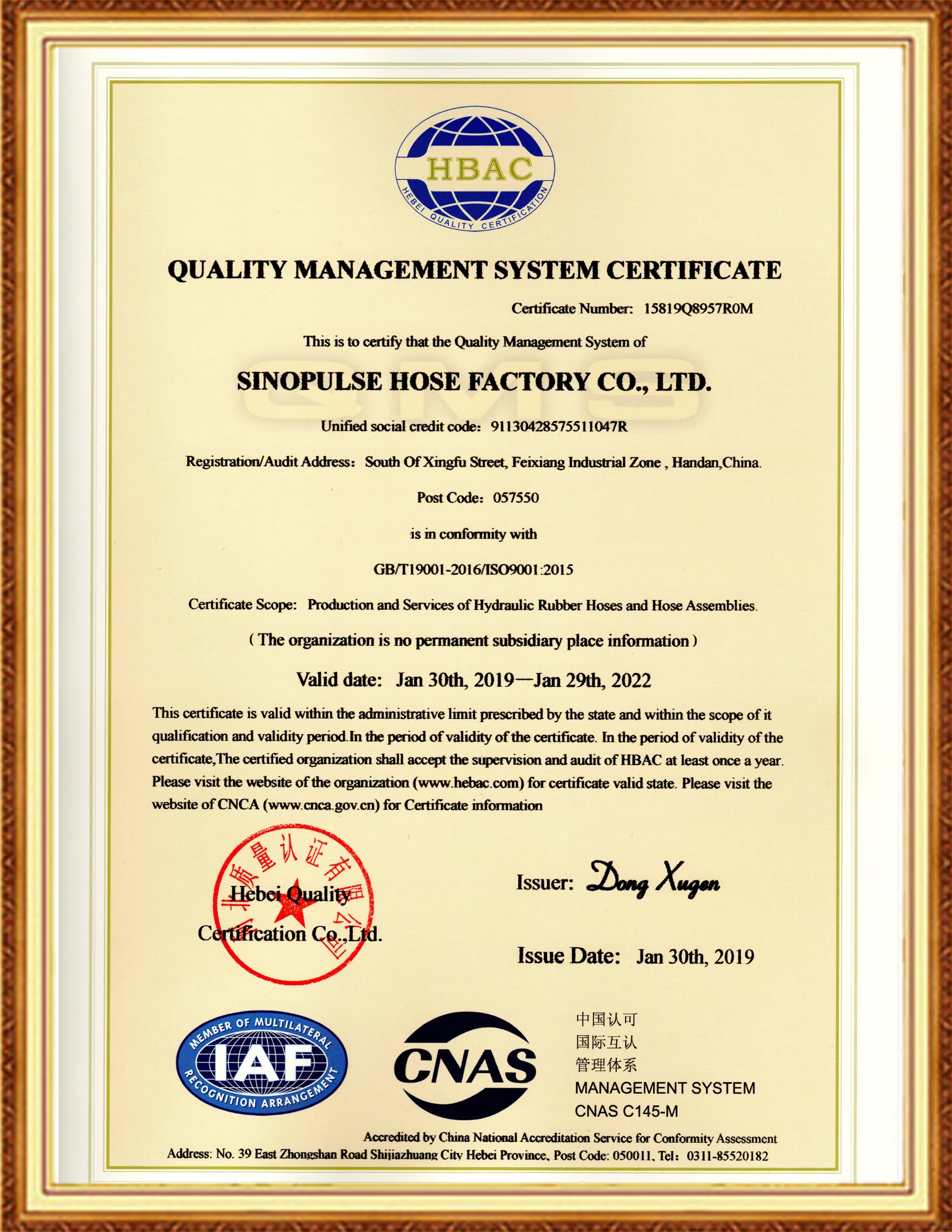
When it comes to choosing a reliable and trustworthy partner for your business needs, certification is a crucial factor to consider. At our company, we take pride in our commitment to meeting the highest standards of quality and safety, as evidenced by our certifications including ISO, MSHA, GOST, SGS, FDA ....More>>


-
One of the key strengths of SINOPULSE’s R&D capabilities is its ability to design hoses for a wide range of conveyor fluids. Whether it’s hydraulic oil, water, air, or specialized chemicals, the company has the expertise to develop hoses that are compatible with the specific fluid’s properties. This versatility allows SINOPULSE to cater to diverse industries such as construction, mining, agriculture, and manufacturing, where different fluids are used for various applications.More>>
-
SINOPULSE QUALITY CONTROL system is a comprehensive and advanced system that ensures the highest standards of quality in manufacturing processes. Quality control is a critical aspect of any manufacturing operation, and the SINOPULSE system is designed to provide a robust framework for monitoring and maintaining quality throughout the production process.More>>
-
SINOPULSE’s gold medal service in foreign trade, coupled with its emphasis on team service and product excellence, positions the company as a leader in the industry. With a focus on delivering tailored solutions and exceptional customer support, SINOPULSE continues to set the standard for excellence in international trade services.More>>
-
 20 YearsExperience
 -
 120 +Exported Countries
 -
 200 +Clients
 -
 30 Million USDAnnul Sales
OUR PROJECT
Our rubber hose products have good performance advantages, such as pressure flexibility, strength, weather resistance, no deformation, and good pulse testing.
-
 steam hose manufacturerHigh Temperature Steam Hose is a key solution in the manufacturing industry, specifically within Rubber and plastic products industry and industry hose. This article explores how HEBEI SINOPULSE TECH GROUP CO.,LTD. supports professionals with durable, high-performance products, and explains why this product is an ideal choice for businesses in these sectors. Table of Contents High Temperature Stea...
 -
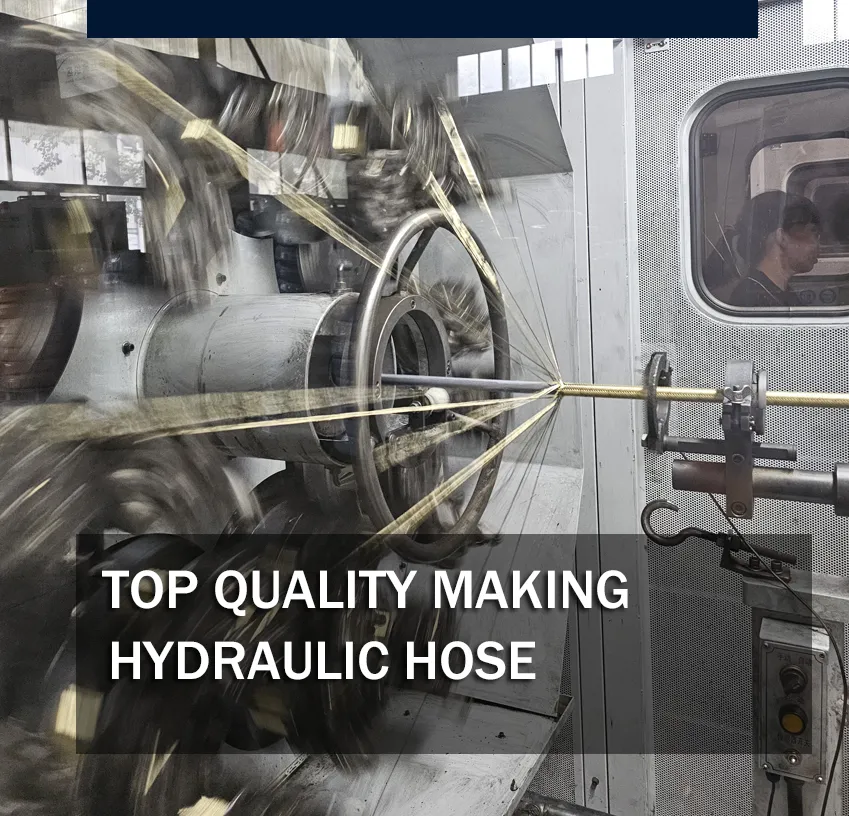 lpg hose manufacturerIntroduction to the DIN EN853 1SN/SAE100R1AT Hydraulic Hose The DIN EN853 1SN/SAE100R1AT One Steel Wire Braided Hydraulic Hose is a critical component in modern hydraulic systems, designed to meet rigorous industrial demands. Engineered by Hebei Sinopulse Tech Group Co., Ltd., this product combines advanced materials and robust construction to deliver exceptional performance in high-pressure envir...
 -
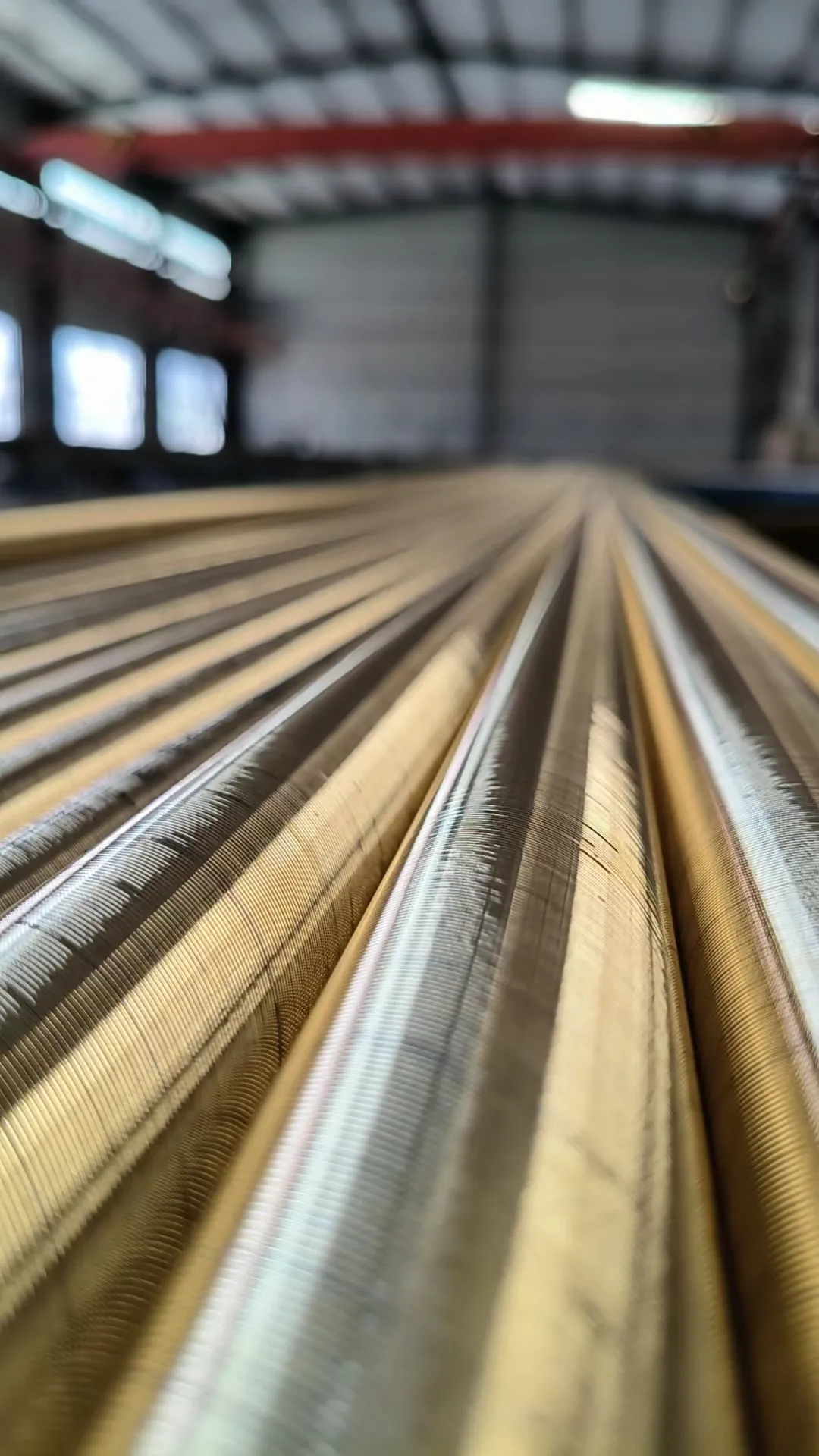 high pressure hydraulic hoseIn the intricate ecosystem of industrial machinery, high pressure hydraulic hoses function as the vital arteries, channeling power and fluid with precision across towering construction equipment, deep-sea drilling rigs, and advanced manufacturing lines. These unassuming yet indispensable components endure a symphony of pressures, temperatures, and mechanical stresses—yet even the sturdiest industr...
 -
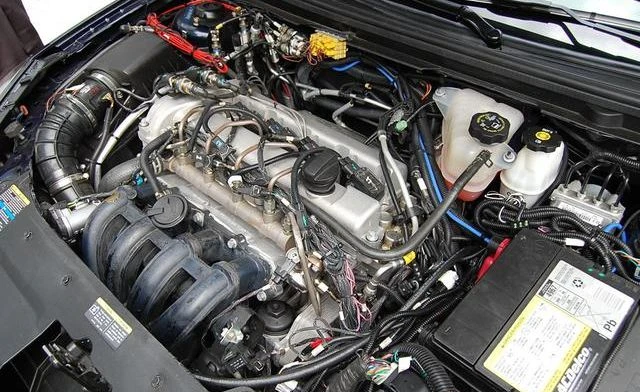 wire braided rubber hoseSteel Braided Hose stands as a robust flexible conduit widely utilized in fluid transfer applications across industrial, commercial, and residential sectors. Wire braided hoses feature a cross-woven steel wire reinforcement layer. Steel Braided Hose combines flexibility with exceptional pressure resistance, making it suitable for conveying liquids and gases under moderate to high pressure conditio...
OUR LATEST NEWS
Strict quality control strict production team to ensure stable products quality. Scientific personnel management, efficient production arrangements to ensure our timely delivery.
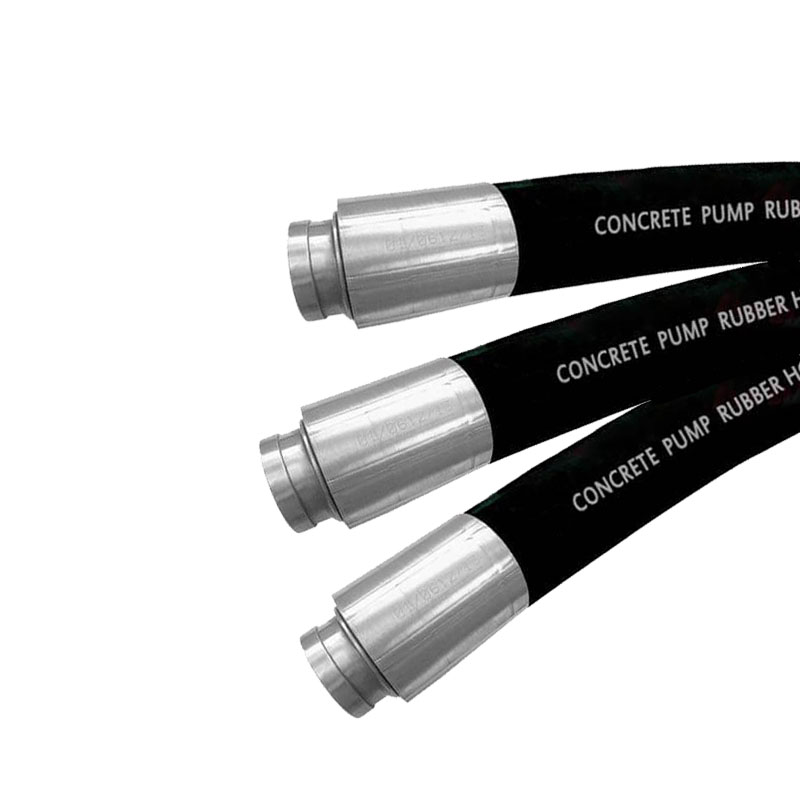
HOW TO FIND US
We welcome customers from all over the world visit our hydraulic hose factory and make fruitful cooperation. If you need hoses, contact with us without hesitation. We will give you professional service,qualified goods and best prices!
HOW CAN WE HELP ?
Have questions or need help? Use the form to reach out and we will be in touch with you
as quickly as possible.